PFAS-Free Frying Pans

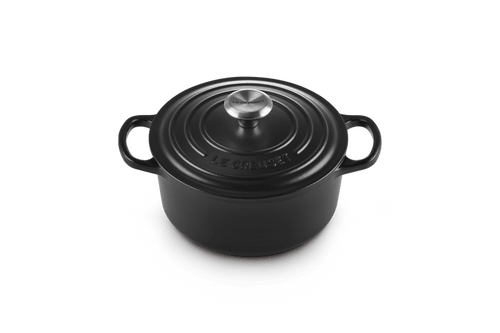
Looking for a casserole without PFAS? Culicartel has more than 130 in its collection, from enameled cast iron from Le Creuset and STAUB to ceramic cookware from Demeyere and stainless steel models from Skottsberg and BK. Each and every one is made from materials that require no synthetic non-stick coating. So you know exactly what your cookware is made of, without compromising on cooking results or durability.
Read blog

Cast iron pans

A heavy and durable material, resistant to high temperatures. The pan lasts for generations. These pans don't warp and are oven-safe. Heating up and cooling down takes a bit longer, but once hot it stays hot for a long time. Don't wash the pan in the dishwasher.

Carbon steel pans

Lighter than cast iron and they heat up faster. These pans are seasoned to create a non-stick layer. Warm the pan up after washing to dry it completely. This prevents rust.

Stainless steel pans

Stainless steel is very light and doesn't rust. These pans are also dishwasher-safe. They can withstand high temperatures but cool down quickly.

Copper pans

These pans don't just look stylish, they're also very durable. Good copper unfortunately doesn't come cheap, but the quality is fantastic. Working on professional dishes like sauces, jam or risotto where you need perfect temperature control? Then the copper pan is the perfect choice.

Aluminium pans

At a lower price you give up some quality, but they're very pleasant to use. They're light pans that are easy to clean. They have excellent heat conduction and are therefore ready to use quickly.

Filter

Sort

Frequently asked questions

  • What are PFAS and why are they harmful in pans?

    PFAS (per- and polyfluoroalkyl substances) are synthetic chemicals that were used in non-stick coatings, with PFOA and PTFE (Teflon) being the best-known examples. They are called 'forever chemicals' because they hardly break down in the environment and accumulate in the body. A non-stick pan with PTFE coating can release substances when overheated: PTFE begins to break down around 260 °C and decomposes above approximately 350 °C. Long-term exposure to certain PFAS is linked in scientific research to hormonal disruption, increased cholesterol, and other health risks. PFOA has now been banned in the EU; for the broader group of PFAS, a European restriction proposal is currently under consideration.

  • Which roasting pans are PFAS-free?

    Roasting pans made of enameled cast iron, untreated (uncoated) cast iron, stainless steel (SS), or with a ceramic non-stick coating are naturally PFAS-free. Enameled cast iron from brands such as Le Creuset and STAUB contains no synthetic coating; the enamel is a glaze layer of mineral origin. SS pans, such as those from Demeyere, have no coating at all. And ceramic coatings, such as the Demeyere Ceraforce, are also PFAS-free. Pans with a traditional PTFE coating (Teflon) are not PFAS-free, unless the manufacturer expressly states that the coating is PFAS-free.

  • Is a Le Creuset or STAUB casserole dish PFAS-free?

    Yes, both Le Creuset and STAUB Dutch ovens are completely PFAS-free. Both brands use enameled cast iron: a layer of glaze, fired onto cast iron, without any synthetic non-stick coating. No PFAS, PFOA, or other forever chemicals are used in the production or use of these pots. This makes them safe for your health and also exceptionally durable: a good STAUB or Le Creuset will last a lifetime.

  • What is the difference between PFAS and PFOA?

    PFOA (perfluorooctanoic acid) is one specific substance within the much larger group of PFAS. PFOA was used for years as a processing aid in the production of PTFE coating (Teflon) and is now banned in the EU and many other countries. PFAS is the umbrella term for thousands of related chemicals, of which PFOA is just one. Therefore, when a pan is described as 'PFOA-free', that says nothing about the other PFAS substances. A pan that is truly free of harmful coatings is made of cast iron, stainless steel, or ceramic: materials that naturally contain no PFAS.

  • Is a ceramic non-stick pan really PFAS-free?

    Yes, ceramic non-stick coatings are PFAS-free. The coating is based on silicon dioxide (sand) and contains no fluorine or PFAS compounds. Brands such as Demeyere use ceramic coatings such as Ceraforce as a safe alternative to traditional PTFE coating. The disadvantage of ceramic is that the non-stick properties generally diminish slightly over the years: it is less scratch-resistant than cast iron or stainless steel and requires careful maintenance. For those looking for a lightweight, easy-to-clean, and completely PFAS-free pan, ceramic is an excellent choice.

  • Are stainless steel roaster pans PFAS-free?

    Yes, stainless steel (SS) frying pans are completely PFAS-free. SS does not require a coating and is therefore naturally free of all synthetic chemicals. Professional SS frying pans from Demeyere, with multi-layer bases for even heat distribution, perform excellently on all heat sources, including induction. SS is oven-safe, dishwasher-safe, and will last a lifetime with proper use. The only thing to consider: SS is less non-stick than cast iron or ceramic, which requires a little more oil or preparation. With these tips for cooking without sticking in an SS pan you are guaranteed success.

  • Do PFAS-free roasting pans cook as well as a non-stick pan?

    Yes, and for many dishes, even better. Enameled cast iron retains heat for a long time and ensures beautiful, even browning and caramelization, ideal for searing and stewing. Stainless steel provides the best fond for sauces and withstands high temperatures without any problems. Ceramic comes closest to the convenience of a classic non-stick pan and is great for delicate dishes. Each material requires a slightly different technique; you can read in our blog which pan best suits your way of cooking which pan do I need?.

  • How can I be sure that a casserole dish is PFAS-free?

    Pay attention to the material and product information. (Enameled) cast iron and stainless steel pans are PFAS-free by definition, as they do not have a synthetic coating. With coated pans, look for an explicit mention such as 'PFAS-free' or 'ceramic non-stick coating'; 'PFOA-free' alone does not provide sufficient certainty, as PFOA is just one of many PFAS substances. In doubt about a specific model? Feel free to ask via chat, WhatsApp, or phone.

  • Which PFAS-free Dutch oven is best for stews?

    For stews, an enameled cast-iron casserole is the best choice. Cast iron retains heat for an extremely long time and distributes it evenly, ensuring slow, even cooking—exactly what a stew needs. The Le Creuset Signature and the STAUB La Cocotte are the perennial favorites here: completely PFAS-free, oven-safe, and built to last a lifetime. For a lower price, the Skottsberg Cast Iron or a BK Bourgogne are excellent alternatives.

  • Can I put a PFAS-free casserole dish in the dishwasher?

    That depends on the material. Demeyere stainless steel cookware is generally dishwasher-safe. Le Creuset and STAUB enameled cast iron pans are technically dishwasher-safe, but hand washing is recommended to keep the enamel beautiful and intact for longer. Ceramic pans can generally go in the dishwasher, although hand washing will also extend the life of the coating. Untreated cast iron (non-enameled) should never go in the dishwasher. Want to know more? Read how do I care for my pans?.

What you need to know about PFAS-Free Frying Pans

What are PFAS and PFOA, and why don't you want them in your pan?

PFAS (poly- and perfluoroalkyl substances) are synthetic chemicals that were used in non-stick pan coatings for decades. The best-known are PTFE, better known as Teflon, and the processing aid PFOA. They are also known as 'forever chemicals' because they barely break down in the environment and accumulate in the human body. Research links long-term exposure to certain PFAS to hormonal disruption and increased cholesterol levels, among other things.

Regulations are becoming stricter, although progress is slower than often thought. PFOA has been banned in the EU since 2020. For the much broader group of PFAS, a European restriction proposal has been in place since 2023 and is now being assessed by the chemical agency ECHA; a total ban is therefore not yet in effect. The direction is clear, however. If you want to be sure right now what is in your pan, a PFAS-free casserole is the simplest choice. And you lose very little, because the alternatives cook just as well.

Which materials are naturally PFAS-free?

Not every PFAS-free pan works the same, because the material makes the difference. Enameled cast iron, such as the Le Creuset Signature and the STAUB La Cocotte, has no synthetic coating at all: the enamel is a glaze layer of mineral origin, fired onto the cast iron. Stainless steel also does not need a coating, is oven-safe and lasts for years with proper use. A ceramic non-stick layer, such as Demeyere's Ceraforce coating, is made of silicon dioxide (essentially sand) and contains no fluorine compounds. And untreated cast iron belongs in that group.

The best PFAS-free braising pans at Braadbaas

The collection ranges from entry-level to top-of-the-range. Le Creuset and STAUB set the standard in enameled cast iron: heavy, evenly heated and built to last for decades. Demeyere makes professional stainless steel braising pans, as well as the ceramic Alu Pro 5 Ceraforce, ideal if you are looking for a lighter pan with non-stick properties. BK offers enameled cast iron at a more affordable price with its Bourgogne range, and Skottsberg provides sturdy cast iron braising pans that arrive pre-seasoned. More than 130 models in total, suitable for induction, gas, electric and the oven. Not sure which material is right for you? Our blog what material should I buy pans in? will help you choose.

Buy a PFAS-free braising pan at Braadbaas

We are a specialist cookware store with a physical store in Maassluis and an extensive webshop. That means personal advice, free returns and only 100% genuine products. Torn between cast iron, stainless steel and ceramic? Read our knowledge base and blogs, or ask your question via chat, WhatsApp or phone. If you want to browse first, check out all the braising pans or the complete cookware range. On our sale page you will regularly find temporary discounts on popular PFAS-free models.