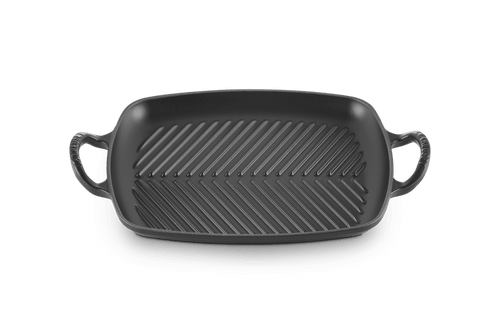
Grill plates for induction

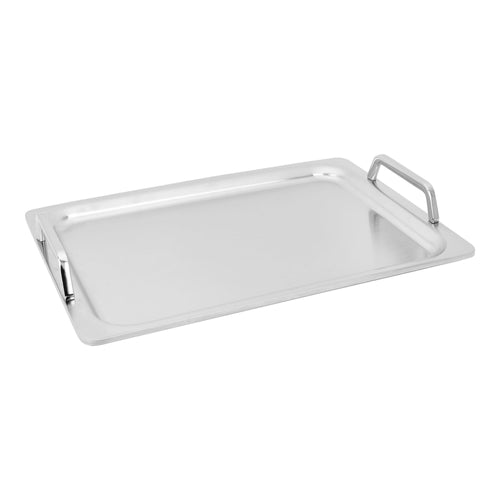
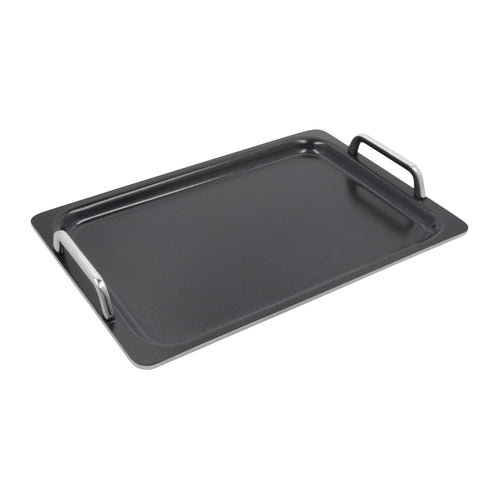
Not every griddle works on an induction hob, and you only realise that when it stays cold. That is why all the models in Culicartel's induction griddles collection have been individually tested and approved for use. They combine a ferromagnetic (iron-containing) base with a substantial construction that retains heat for longer. This means you can achieve perfect grill marks on your own induction hob using a Le Creuset ribbed cast-iron griddle, or cook teppanyaki-style on a flat stainless steel or ceramic griddle from Demeyere. So you can bring that distinctive barbecue feel indoors.
Read blog

Cast iron pans

A heavy and durable material, resistant to high temperatures. The pan lasts for generations. These pans don't warp and are oven-safe. Heating up and cooling down takes a bit longer, but once hot it stays hot for a long time. Don't wash the pan in the dishwasher.

Carbon steel pans

Lighter than cast iron and they heat up faster. These pans are seasoned to create a non-stick layer. Warm the pan up after washing to dry it completely. This prevents rust.

Stainless steel pans

Stainless steel is very light and doesn't rust. These pans are also dishwasher-safe. They can withstand high temperatures but cool down quickly.

Copper pans

These pans don't just look stylish, they're also very durable. Good copper unfortunately doesn't come cheap, but the quality is fantastic. Working on professional dishes like sauces, jam or risotto where you need perfect temperature control? Then the copper pan is the perfect choice.

Aluminium pans

At a lower price you give up some quality, but they're very pleasant to use. They're light pans that are easy to clean. They have excellent heat conduction and are therefore ready to use quickly.

Filter

Sort

Frequently asked questions

  • Which griddle plates work on induction?

    Only griddle plates with a ferromagnetic (iron-containing) base work on induction. Cast iron and enameled cast iron griddle plates are naturally induction-compatible, as are plates made of magnetic stainless steel. Aluminum and non-magnetic steel will not work: the cooktop will not detect the plate, and it will remain cold. All models in the induction griddle plates collection have been tested for this, so you can be sure that your purchase will work on your cooktop.

  • How do I heat a griddle plate on an induction cooktop?

    Set the griddle to medium-high heat and give the surface five to ten minutes to heat up evenly. Do not skip this step: it is precisely the built-up heat buffer that prevents the temperature from dropping as soon as you add cold ingredients. It is better not to use the boost function to speed up preheating, because a rapid temperature shock is particularly bad for cast iron. Test the temperature with a drop of water: if it does not evaporate immediately but dances like a marble across the surface, it is ready for use.

  • Can I use a grill plate on two induction zones at the same time?

    Yes, that is exactly what the large rectangular teppanyaki and griddle plates are designed for: they span two adjacent cooking zones, providing an extra-large cooking surface. Set both zones to the same power level for an even temperature. If your cooktop has a bridge function or flex zone, use it: the two zones will then work as a single unit and heat the plate without cooler areas. A bridge function is convenient but not required; two separate zones set to the same level will also work perfectly well.

  • Why does my grill plate only get really hot in one spot?

    On induction, heat is only generated above the coil in the cooking zone, and that coil is often smaller than the pan itself. With a light or thin pan, you notice this immediately in hot and cold spots. The solution lies in mass and patience: a heavy cast-iron or multi-layer stainless steel pan distributes the heat across the entire surface during preheating. If your pan covers two zones, turn them both on at the same power level and preheat thoroughly; the cold edges will disappear on their own.

  • What is the difference between a griddle plate and a grill pan for induction?

    A grill plate is larger and flatter than a grill pan and has handles on both sides instead of a long handle. This means it fits over one or two burners and is better suited for large quantities and long items, such as spareribs, whole fish fillets, or a bunch of asparagus. A grill pan has a handle and raised edges and is more convenient for everyday use with one or two portions. Many home cooks have both: the pan for everyday cooking, the plate for when guests come over.

  • What is the difference between a ribbed grill plate and a teppanyaki plate?

    A ribbed griddle plate creates classic grill marks and allows fat to drain away between the ridges; perfect for steaks, chicken, and grilled vegetables. A teppanyaki or flat griddle plate is completely flat, allowing your ingredients to make contact with the entire surface. You can use it to cook smash burgers, gambas, fish, vegetables, and rice, and easily turn everything with a spatula. If you want the classic BBQ look with grill marks, go for ribbed; if you want versatile cooking in Japanese or Spanish style, a flat griddle plate is the better choice.

  • Do I need to cure a griddle plate for induction?

    That depends on the material. Enameled cast iron, such as Le Creuset grill plates, does not need to be seasoned: the enamel layer protects the iron and the plate is ready for use immediately. Stainless steel and ceramic plates from Demeyere also do not need seasoning. Only uncoated cast iron and carbon steel need to be seasoned with a thin layer of oil before the first use, so that a protective patina is formed. You can read step by step how to do that in the blog seasoning a cast iron pan with oil.

  • How do I clean the grill plate after grilling?

    First, let the griddle cool down gradually and never place it under cold running water: such thermal shock can damage the material. Clean enameled cast iron with warm water and a soft brush; dishwasher use is not recommended. Demeyere stainless steel griddles can be put in the dishwasher, and it is easiest to deglaze the griddle immediately after cooking: pour a little water onto the still-warm griddle to loosen burnt-on food. Clean griddles with a ceramic non-stick coating with warm water and mild soap. The easiest way to remove stubborn residue from the ridges is with a sturdy brush while the griddle is still lukewarm.

  • Which induction griddle plate is best for meat?

    For meat, you want a griddle that retains a lot of heat, so the temperature doesn't drop when the meat hits it. A heavy cast-iron griddle is the best choice for this, and its ridges also leave beautiful grill marks. If you prefer cooking teppanyaki-style with full contact, for example for smash burgers or thinly sliced meat, a multi-layer stainless steel griddle is an excellent choice: it heats up quickly and creates a deep brown crust over the entire surface. If you want to cook with less fat, a griddle with a ceramic non-stick coating is a good alternative.

  • Is a Le Creuset or Demeyere griddle better for induction?

    Both make excellent induction griddle plates, but for different cooking styles. Choose Le Creuset for enameled cast iron: maximum heat retention, authentic grill marks, a wide range of colors, and no seasoning required. Choose Demeyere for flat teppanyaki and griddle plates in stainless steel or with a PFAS-free ceramic coating: lighter, faster to heat up, designed to span two burners, and dishwasher-safe (in the stainless steel version). If you want to grill with marks, Le Creuset is the one for you; if you are looking for a large flat cooking surface for teppanyaki, Demeyere is the logical choice.

What you need to know about Grill plates for induction

Why does one grill plate work on induction while another does not?

An induction hob does not heat the glass surface, but uses a magnetic field to generate heat directly in the base of your pan or plate. This only works if the base is ferromagnetic. Cast iron and enameled cast iron are naturally ferromagnetic, and Demeyere's stainless steel and ceramic plates have a specially constructed base that fully utilizes induction energy. Grill plates made of pure aluminium or non-magnetic steel simply remain cold on induction. Not sure about a plate you already have at home? Hold a magnet against the underside: if it sticks, the plate will work on induction. In the complete overview of grill plates you can see at a glance which heat sources each model is suitable for, and if you are just switching from gas, read the blog from gas to induction? What to look out for.

Why a heavy grill plate grills better on induction

A good grill plate is all about mass. A heavy plate builds up a substantial heat reserve during preheating and does not drop in temperature as soon as a cold steak is placed on it. You can really taste the difference. On a plate that is too cold, meat will steam instead of searing, while a properly preheated plate creates that deep brown crust and full grilled flavour (the Maillard reaction). Therefore, give your plate time: allow about five to ten minutes on medium heat. It is best not to use the boost function or the highest setting to speed this up, as cast iron in particular does not like sudden temperature shocks. To test whether the plate is ready, use a drop of water: if it rolls like a marble across the surface (the Leidenfrost effect), you can start grilling. You can find more basic tips in the blog how do I maintain my pans?

One or two zones: how to choose the right size

Grill plates come in two varieties: compact models that fit on a single cooking zone and generous, rectangular plates that cover two adjacent zones at the same time. Such a large teppanyaki or griddle plate gives you a large, evenly heated cooking surface on which you can cook for the whole family at once. If you use two zones, set them to the same power level so that the temperature remains even across the entire plate. If your hob has a bridge function or flex zone, link the two zones so they work together as one large zone. Before purchasing a large plate, measure your hob: the distance between the zones varies by model, and the plate must be able to cover both zones properly.

Ribbed or flat: grill marks or teppanyaki?

The first choice is ribbed or flat. A ribbed plate, such as the Le Creuset cast iron grill plates, gives you those classic dark grill marks and lets fat and moisture run away between the ridges; ideal for steaks, chicken fillets, grilled vegetables and even fruit. A flat teppanyaki or griddle plate, on the other hand, makes contact with your ingredients over the entire surface. This allows you to cook smash burgers with an even crust, crispy gamba's, fish fillets, fried rice or a complete Japanese or Spanish meal on one plate, and slide everything around effortlessly with a spatula. If you prefer that grill result in a pan with a handle for one or two portions, take a look at the grill pans for induction.

From enameled cast iron to stainless steel and ceramic: which material suits you?

Enameled cast iron from Le Creuset is the favorite of many home cooks: excellent heat retention, available in multiple colors, and thanks to the enamel layer you do not need to season the plate. The stainless steel plates from Demeyere are lighter, heat up faster and react immediately when you adjust the power; they can also simply go in the dishwasher. How to cook on bare stainless steel without sticking can be read in the blog cooking without sticking in a stainless steel pan, and the blog all Demeyere series at a glance explains the differences between the series. If you want to cook with little fat without PFAS, then a plate with a ceramic non-stick coating such as the Demeyere Ceraforce is a strong choice; you can read more about that coating in the blog about Ceraforce: PFAS-free cooking without compromise. And do you like the pure, direct cooking experience of uncoated cast iron or carbon steel? That is also possible on induction; such a plate just requires a bit more maintenance and must be seasoned first, as explained in seasoning a cast iron pan with oil. If you are still unsure about the material, the blog what material should I buy pans of? will help you further.

Buy a grill plate for induction at Braadbaas

At Braadbaas, you buy your grill plate from a specialized cookware store. All products are 100% original, come with an official factory warranty and can be returned free of charge. Our specialists in the store in Maassluis also grill all year round and are happy to help you think: in the store, via WhatsApp or via chat. You can find the complete range in the collection of grill plates for induction, and more about our pan range can be read on the pans page. If you prefer to grill outside in the summer, also take a look at the grill plates for the BBQ.