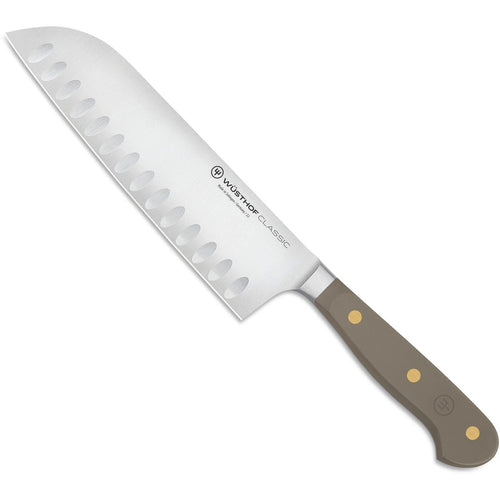
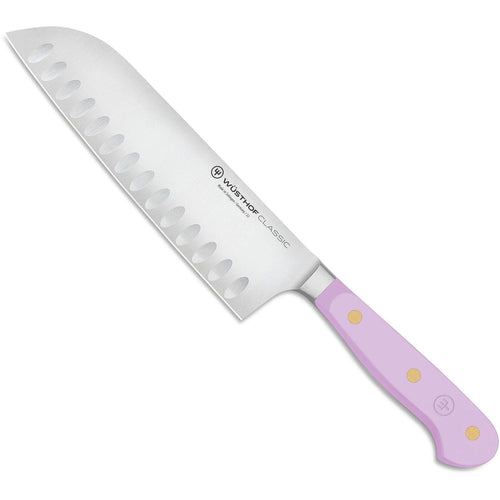
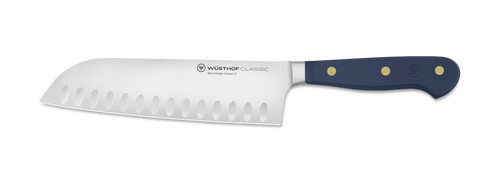
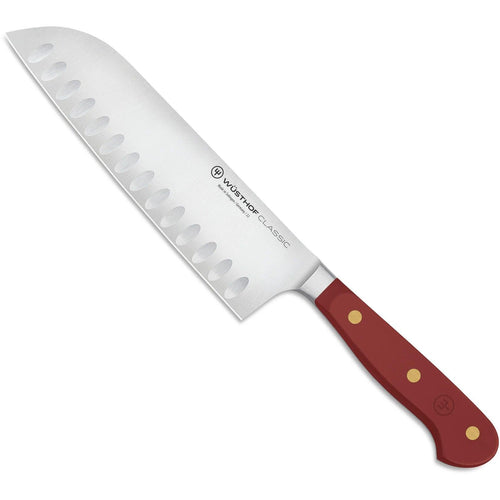
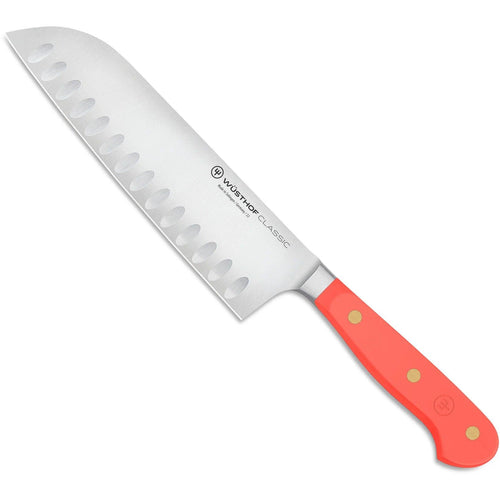
Santoku Knives

Cut like a true samurai! The name "santoku" literally means "three virtues" or "three uses," referring to the different tasks for which the knife is suitable: slicing, dicing, and mincing.

Read blog

Cast iron pans

A heavy and durable material, resistant to high temperatures. The pan lasts for generations. These pans don't warp and are oven-safe. Heating up and cooling down takes a bit longer, but once hot it stays hot for a long time. Don't wash the pan in the dishwasher.

Carbon steel pans

Lighter than cast iron and they heat up faster. These pans are seasoned to create a non-stick layer. Warm the pan up after washing to dry it completely. This prevents rust.

Stainless steel pans

Stainless steel is very light and doesn't rust. These pans are also dishwasher-safe. They can withstand high temperatures but cool down quickly.

Copper pans

These pans don't just look stylish, they're also very durable. Good copper unfortunately doesn't come cheap, but the quality is fantastic. Working on professional dishes like sauces, jam or risotto where you need perfect temperature control? Then the copper pan is the perfect choice.

Aluminium pans

At a lower price you give up some quality, but they're very pleasant to use. They're light pans that are easy to clean. They have excellent heat conduction and are therefore ready to use quickly.

Filter

Sort
Price
to
Brand
Product type
Series
Color

What you need to know about Santoku Knives

Santoku Knives

Santoku knives are specially designed Japanese knives used in kitchens around the world. They are super versatile and are used for slicing fish, meat, and vegetables. Santoku knives are available in different types, depending on their use. Santoku knives are made from various materials, including high-quality steel, stainless steel, and carbon steel. The material used can affect how the knife feels in the hand and how sharp it remains.

Maintaining Your Santoku Knife

To maintain santoku knives, it is important to wash and dry them immediately after use to prevent rusting. Use lukewarm water and mild dish soap, and wash the knives with the blade facing down to avoid injuring yourself.

Keeping your santoku knife sharp

It's also important to regularly sharpen santoku knives to ensure they stay sharp. This can be done with a whetstone, a knife sharpener, or an electric sharpener. Store the knives in a safe place, such as in a knife block or on a magnetic knife strip.

Origin of the santoku knife

Santoku knives are a type of Japanese knife originally used by samurai in Japan. The name "santoku" literally means "three virtues" or "three tasks," referring to the different tasks for which the knife is suitable: slicing, dicing, and mincing.

What is the difference between a santoku knife and a chef's knife?

A Japanese Santoku knife has different characteristics than a European chef's knife. Below are some differences: Santoku knives are mainly used for slicing, dicing, and mincing food in the kitchen. They are versatile and suitable for performing various tasks. Chef's knives are professional knives used by chefs in restaurants and other professional kitchens. They are specifically designed for cutting meat and other large pieces of food. Santoku knives generally have a flat, rounded blade with a relatively short edge. Chef's knives have a longer, sharper edge made of high-quality steel. Santoku knives are generally smaller than chef's knives and are easier to handle. Chef's knives are larger and heavier, which means they require more force to use.