Seasoning a Carbon Steel Pan with Oil
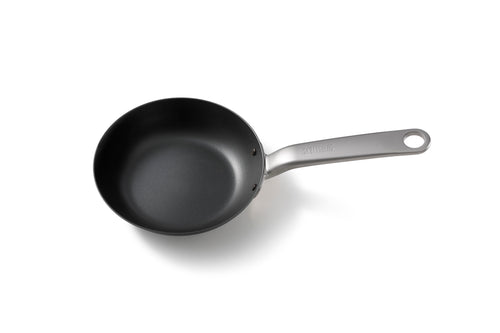
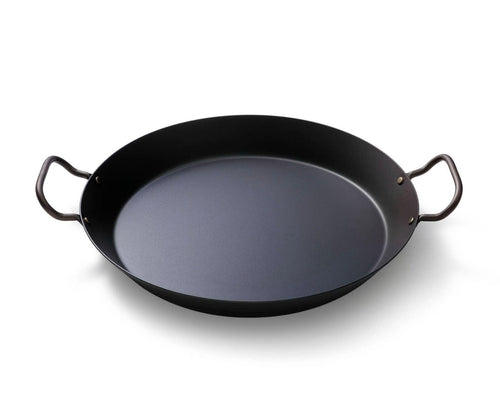
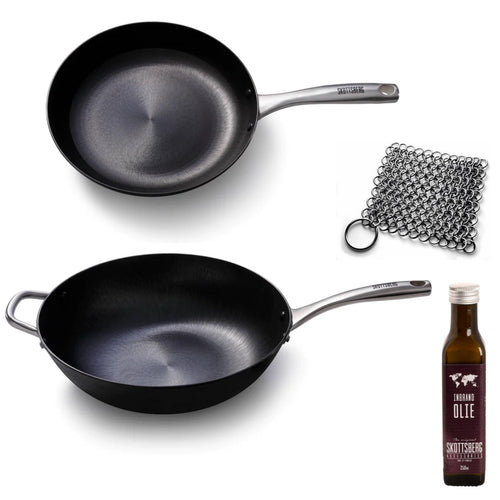
More and more people are choosing a pan without a non-stick coating, and that makes us happy. One of the options when choosing a durable pan without a non-stick coating is the Carbon Steel pan, also known as a plate steel pan. By regularly seasoning this pan, you create a natural non-stick layer. But how do you season a Carbon Steel pan? 🔥
First: use the right (natural) oil
A carbon steel pan can be seasoned with natural oil. It is important to use a pure oil that can withstand high temperatures. Below are the types of oil that are suitable for seasoning a carbon steel pan.
- Partially refined sunflower oil (smoke point: 232°C)
- Rice bran oil (smoke point: 255°C)
- Refined canola oil (smoke point: 242°C)
- Avocado oil (smoke point: 271°C)
- Refined peanut oil (smoke point: 232°C)
The list below shows the types of oil that are not suitable for seasoning a carbon steel pan, as they have a lower smoke point than required.
- Extra virgin olive oil
- Linseed oil
- Butter
Below, we'll explain how to season a carbon steel pan step-by-step.
Step 1: cleaning
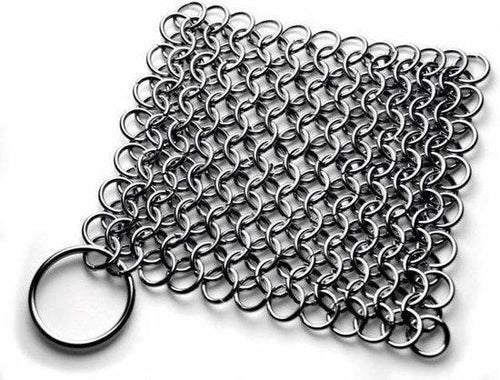
Before you start seasoning the carbon steel pan, first make sure it is thoroughly clean. Clean the pan with hot water, dish soap, and a sponge. Please note: only use dish soap if you are going to season the pan afterward.

Step 2: dry the pan thoroughly
After washing, dry the pan with a dry cloth or some paper towels. You can also place the pan in a preheated oven at 180°C for 15 minutes.
Step 3: initial seasoning
Drip a few drops of natural oil into the pan and spread it well with a dry cloth or paper towel. Apply the oil to both the inside and outside of the carbon steel pan. Be careful not to use too much oil, as this can make your pan sticky. It's better to repeat this process 5 times than to use too much oil! If you have used too much oil, it is best to use a dry paper towel to remove any excess oil residue.
Then, place the pan on the stovetop or put it upside down in the oven and let it heat up. If you put the pan on the stovetop, don't forget to turn on the extractor fan and possibly open a window! The oil will start to smoke when it gets hot. When the oil smokes, leave the pan for a few more minutes. Then, remove the pan from the heat and let it cool (not under the tap, but just let it sit). If you prefer to use the oven, keep it at 220 degrees for 30 to 45 minutes. Be careful, the pan will be hot!

Step 4: repeat the seasoning
Once the pan has completely cooled down, repeat the previous step three to five more times. Sometimes it's better to repeat this process even more often. The more thin layers of oil, the better the patina layer will become! Your carbon steel pan will start to turn black, which is part of the seasoning process.
When you are finished seasoning and the pan has cooled down, it is best to store it in a dry place.

Want to enjoy the patina layer for as long as possible?
Do not store food in the pan, as changes in taste and/or color may occur. In addition, food can also damage the patina layer or the pan can rust. Especially if you cook with ingredients that contain acid, such as tomatoes, wine, or lemon, it is important to provide the pan with a good patina layer. Acids affect the patina layer, so if the patina layer is too thin, it will disappear faster.
Ready for a carbon steel pan? View our entire collection here!
Did you find this article useful, or do you have any useful tips that are worth sharing? Let us know!