Cutting without damage
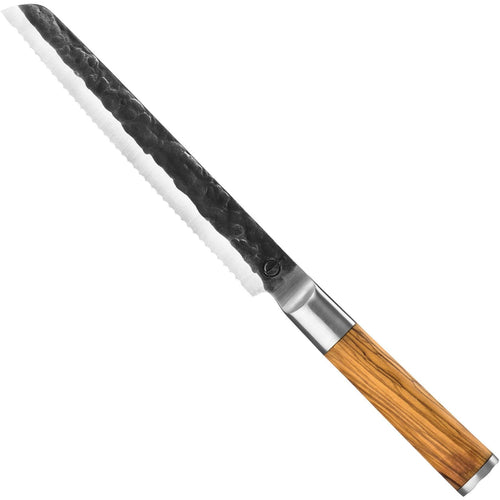
It may sound logical, but we'll tell you anyway. Use the right knife for the right task. You use a bread knife to cut bread, a meat knife for meat, and a paring knife to peel vegetables or fruit. Curious about all the types of knives available? Read this blog.
It's also important to truly cut. Don't pry, rock, or chop from left to right. That's only allowed with a cleaver. With the right knife, you should be able to cut through anything without too much force. If this isn't possible, you probably have the wrong knife in your hands or it's time for a sharpening.
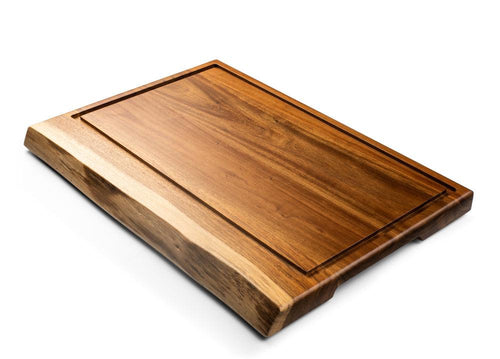
Not only your technique, but also your cutting board is important. Marble and glass cutting boards are too hard and will damage your knife. It might sound like a waste if your knife scratches a cutting board, but that just means it's soft enough. That's why we prefer to use a cutting board made of plastic or wood.

Cleaning, drying and storing
Don't wait until after your meal to clean your knives; wash them immediately after use. Use lukewarm water with a mild soap. Dry your knife thoroughly with a soft cloth to prevent rust. Do you have a knife with a wooden handle? Then also oil it occasionally, as wood is a natural product.
Preferably, don't wash your knives in the dishwasher. Even if they are dishwasher-safe. Although a dishwasher is super practical, the moisture, high temperature, and aggressive cleaning agents can corrode the metal of your knife. Additionally, the water pressure is high, and your knife can rub against other objects, resulting in blunt knives.
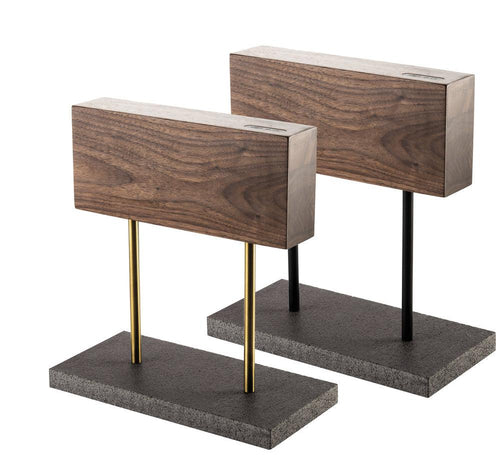
After use, it is important to store your knives safely. Never leave your knives loose in a kitchen drawer. Besides being dangerous for your fingers, it also dulls your knives. Store your knives in a knife block or hang them on a magnetic knife strip. Still prefer your knives out of sight? Then use knife guards or an in-drawer organizer.

Sharpen until they are sharp
Unfortunately, even the best knives become dull with use. A sharp knife cuts more smoothly and safely, which is why it's important to sharpen your knives regularly. You'll often notice when your knives are due for sharpening.
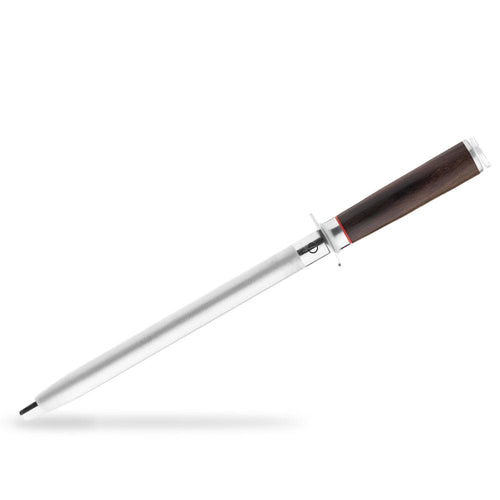
For interim maintenance, use a honing steel. This removes small imperfections and ensures your knife is sharp again. It's important that your honing steel is made of harder steel than your knife. For European knives, a standard honing steel is sufficient, but for Japanese knives, you need a diamond honing steel.
There comes a point when your knife can no longer be sharpened with a honing steel. Then it's time to sharpen it. Unlike honing, sharpening actually removes a small layer from your knife. There are several ways to do this. You can use a sharpening rod, water sharpener or HORL knife sharpeners. In this blog, you can read how to get your knives razor-sharp again in a flash.

By cutting correctly, sharpening on time, and cleaning your knives properly, you will enjoy them the longest. In our opinion, it's well worth the extra effort and time. Happy cutting! 🔪
Wondering what types of knives there are? Check out this blog!